Cowboy Whiskey: The Vintage Label Font with Rugged Charm
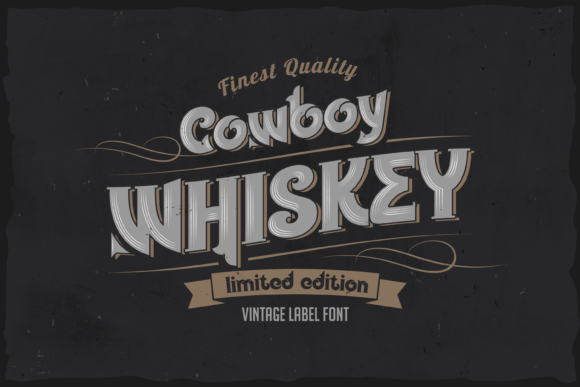
When a design calls for more than just type, when it demands a story, a texture, and a tangible sense of history, the choice of font becomes paramount. Enter Cowboy Whiskey, a stylish, vintage-label layer display font that doesn't just sit on the page—it transports you. Evoking the rugged charm of the Wild West, this typeface is built for projects that need an immediate, authentic connection to a bygone era of craftsmanship and frontier spirit. Its intricate detailing and bold serifs are not mere decorative elements; they are the tools for creating eye-catching labels, posters, and signage with a powerful nostalgic flair.
More Than a Font: A Design Asset with Character
Cowboy Whiskey is a premium display font, meaning its primary role is to command attention at larger sizes. Think headlines, logos, and hero text. Its visual personality is unmistakable: it carries the weight and authority of a classic serif font, but with a distinct, handcrafted quality. The letterforms feature pronounced, rugged serifs and subtle irregularities that mimic the look of worn metal type or aged woodblock printing. This isn't a clean, geometric modern typeface; it's a creative font with a soul, designed to feel like it was pulled from the dusty archives of a 19th-century saloon or a weathered trail sign.
The appeal lies in its duality. It’s bold and authoritative, yet detailed and nuanced. The layer aspect, often including regular, inline, and outline styles, allows designers to create stunning, multi-dimensional typographic effects. You can build a headline that looks embossed, engraved, or shadowed with just a few clicks. This makes Cowboy Whiskey an incredibly versatile design asset for anyone working in packaging design, branding, or editorial design where a strong visual hierarchy and brand recognition are key.
Where Does Cowboy Whiskey Shine? Practical Applications
Understanding a font's strengths is one thing; knowing where to deploy it is where the real design strategy comes in. Cowboy Whiskey isn't for body text in a novel or a minimalist corporate report. Its power is unleashed in specific, high-impact contexts.
Branding and Logo Design: For brands in the craft beverage industry—think whiskey, bourbon, craft beer, or artisanal coffee—this typeface is a natural fit. It instantly communicates tradition, authenticity, and small-batch quality. A logo set in Cowboy Whiskey can anchor a brand identity that values heritage and hands-on craftsmanship. It’s equally effective for barbershps, western wear retailers, outdoor adventure companies, and any business that wants to project a rugged, independent spirit.
Packaging and Label Design: This is where the font truly excels. The intricate details of Cowboy Whiskey come alive on a physical product. It can elevate a bottle label, a coffee bag, or a product box from ordinary to shelf-stopping. The layered styles give you the tools to create sophisticated, vintage-inspired designs that feel premium and collectible, directly influencing perceived value and customer engagement.
Marketing and Social Media: In the fast-scroll world of social media graphics, a bold, distinctive headline is everything. Use Cowboy Whiskey for Instagram post titles, Facebook ad headlines, or Pinterest pins to grab attention. It’s perfect for promoting events like rodeos, vintage fairs, music festivals, or limited-edition product launches. The font’s personality does much of the persuasive work, making your message memorable.
Digital and Print Editorial: In web design, this typeface can be used sparingly for major headlines or pull quotes to break up the monotony of standard sans-serif or script font pairings. In print, it’s ideal for magazine covers, chapter headings in books, or posters. It sets a powerful tone for articles about history, travel, adventure, or lifestyle topics with a rustic edge.
Mastering the Use of Cowboy Whiskey: A Designer’s Guide
Integrating a font with this much personality requires a thoughtful approach. Simply slapping it on any project can lead to a mismatched or overly kitschy result. Here’s how to use it effectively.
Evaluating Project Fit: Before choosing Cowboy Whiskey, ask: does my project's core message align with themes of authenticity, history, ruggedness, or vintage Americana? If you're designing for a sleek tech startup or a luxury spa, this is likely the wrong choice. But for a brewery, a ranch, or a vintage clothing line, it could be perfect.
The Art of Font Pairing: A display font like this needs a reliable partner for readability. The best practice is to pair it with a clean, neutral sans serif font or a simple serif font for body copy, subheads, and supporting text. Avoid pairing it with another decorative or handwritten font, as this creates visual chaos. Let Cowboy Whiskey be the star, and its partner the supporting actor. For example, pair its bold, detailed headlines with a font like Lato, Open Sans, or a classic serif like Garamond for descriptions.
Readability and Visual Hierarchy: Use it at sizes where its details are clear. At very small sizes, the intricate features can become muddy and compromise readability. It’s a tool for hierarchy; use it to establish the most important message on the page, then step down in weight and style for subsequent information.
Licensing and Styles: As a commercial font, always ensure you have the correct license for your project, whether it's for a single client, a product for sale, or a social media campaign. Explore all the included styles—the regular, inline, and outline versions—to unlock its full creative potential. Experiment with layering them to create unique effects that make your design stand out.
In the end, Cowboy Whiskey is more than just a typeface. It’s a gateway to a specific aesthetic, a tool for telling a richer story, and a way to inject a project with undeniable character. When used with intention, it doesn’t just display words—it builds an entire atmosphere. For designers, entrepreneurs, and creators looking to make a lasting impression with a nod to the past, it’s a valuable addition to the toolkit.